


What to Know About Building Construction in Nigeria
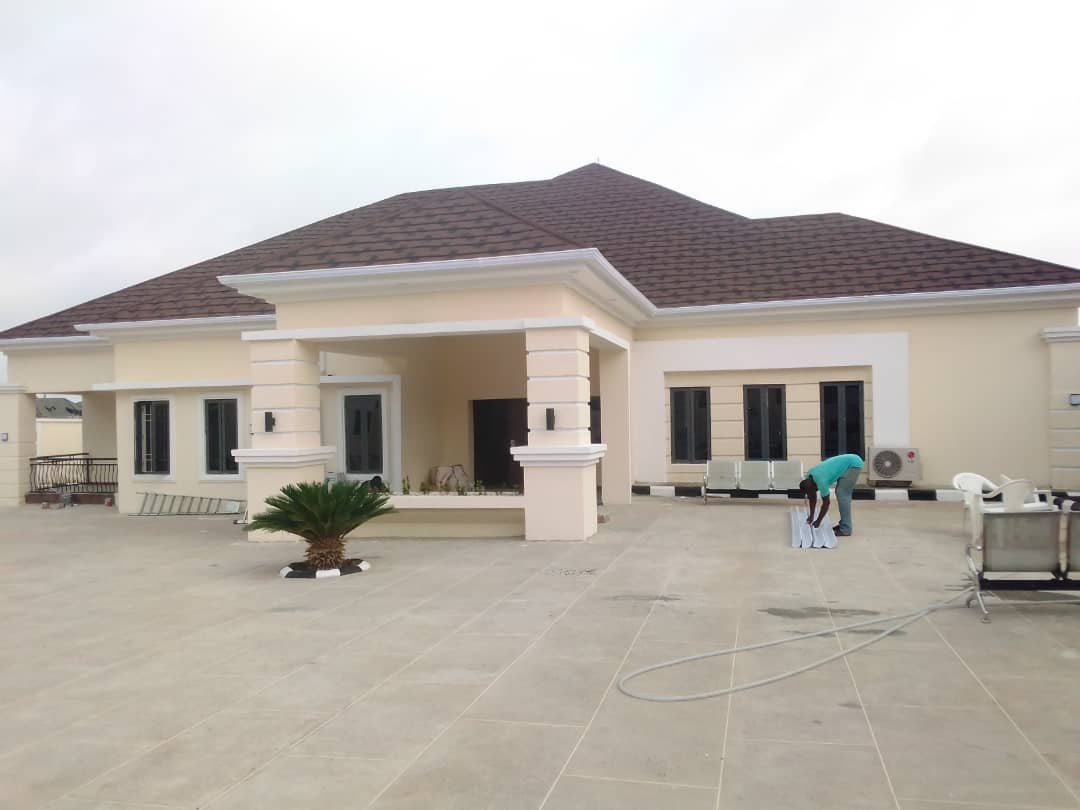
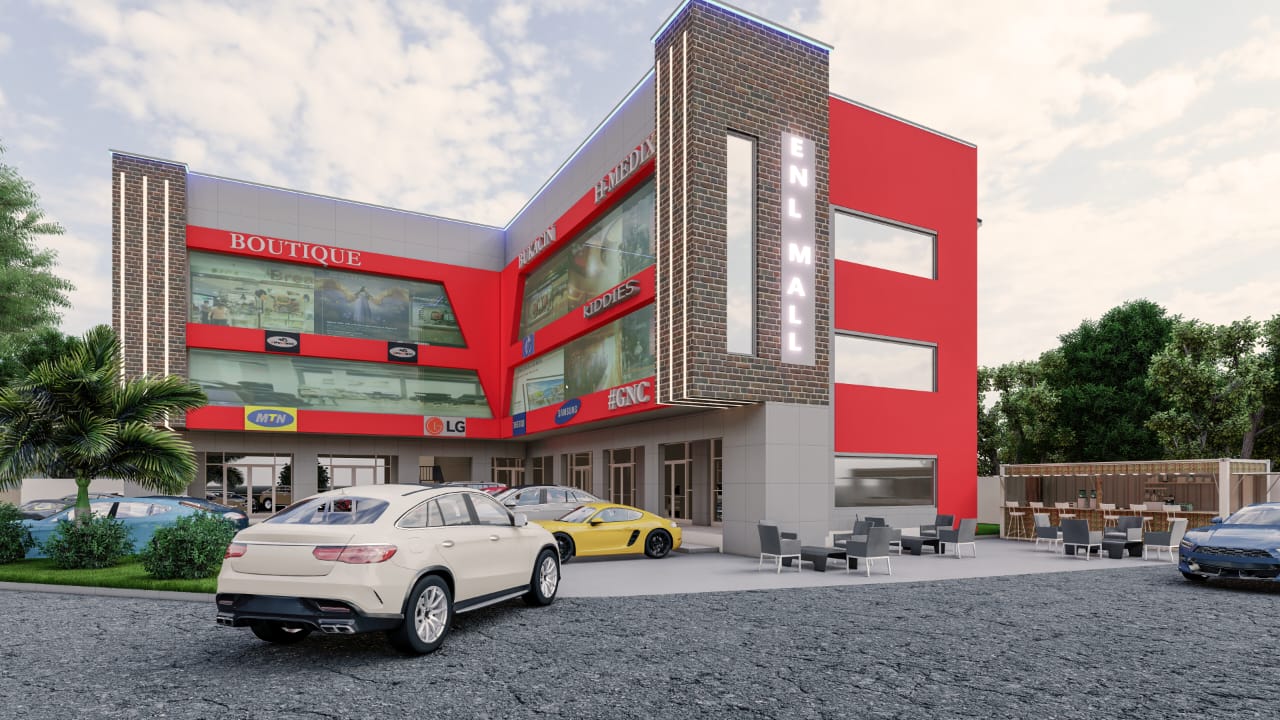
Building construction is one of the most active and essential sectors in Nigeria’s economy. From family homes and schools to shopping malls and skyscrapers, construction shapes the country’s cities, provides employment, and supports national development. However, the process of constructing a building in Nigeria involves far more than just laying blocks or pouring concrete. It requires an understanding of regulations, planning, materials, professionals, and the challenges unique to the Nigerian environment. This essay explores the major things to know about building construction in Nigeria — from the legal framework to modern trends shaping the industry.
1. Understanding the Building Process
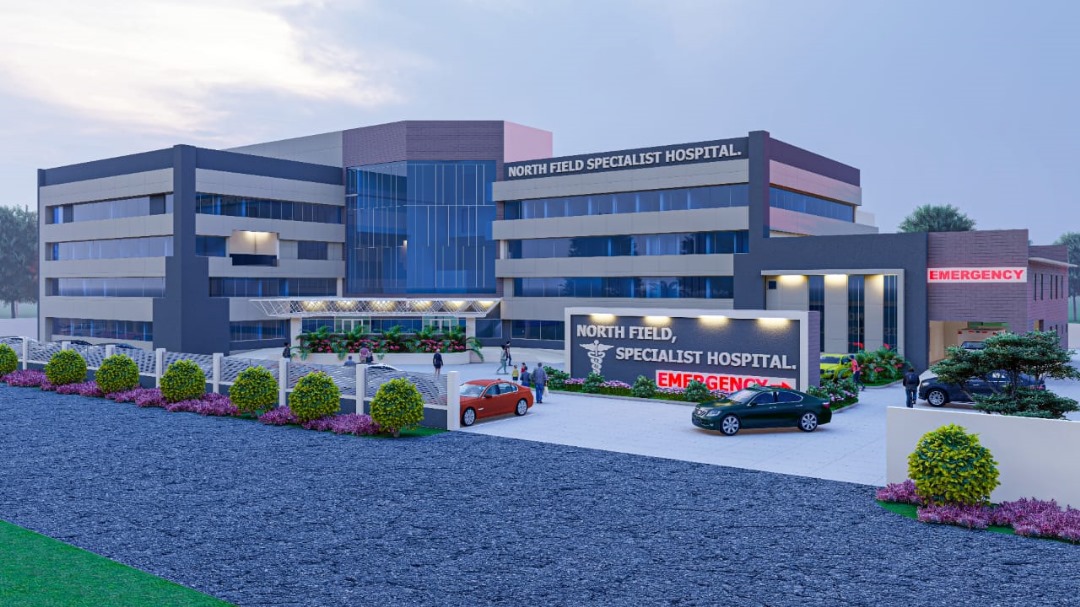
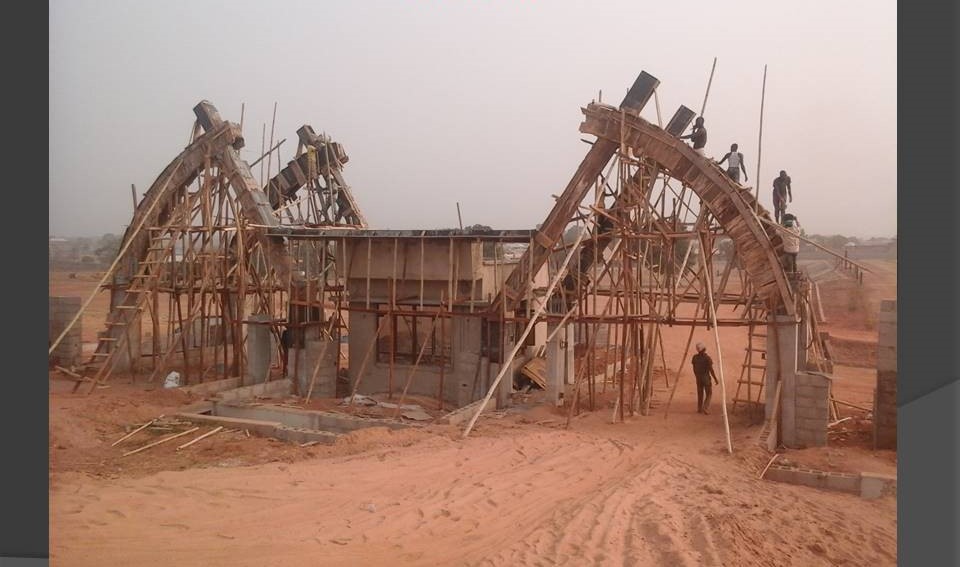
Every construction project begins with planning and design. The client or property owner hires an architect to design the building according to their needs, while ensuring it complies with local building codes. Structural, electrical, and mechanical engineers then work on technical drawings that ensure the building is safe and functional.
Before construction can begin, developers must obtain building permits and planning approvals from the relevant urban development authorities, such as state ministries of housing or planning offices. These approvals verify that the project meets zoning laws, environmental standards, and safety requirements. Failure to secure these documents can result in project suspension or even demolition.
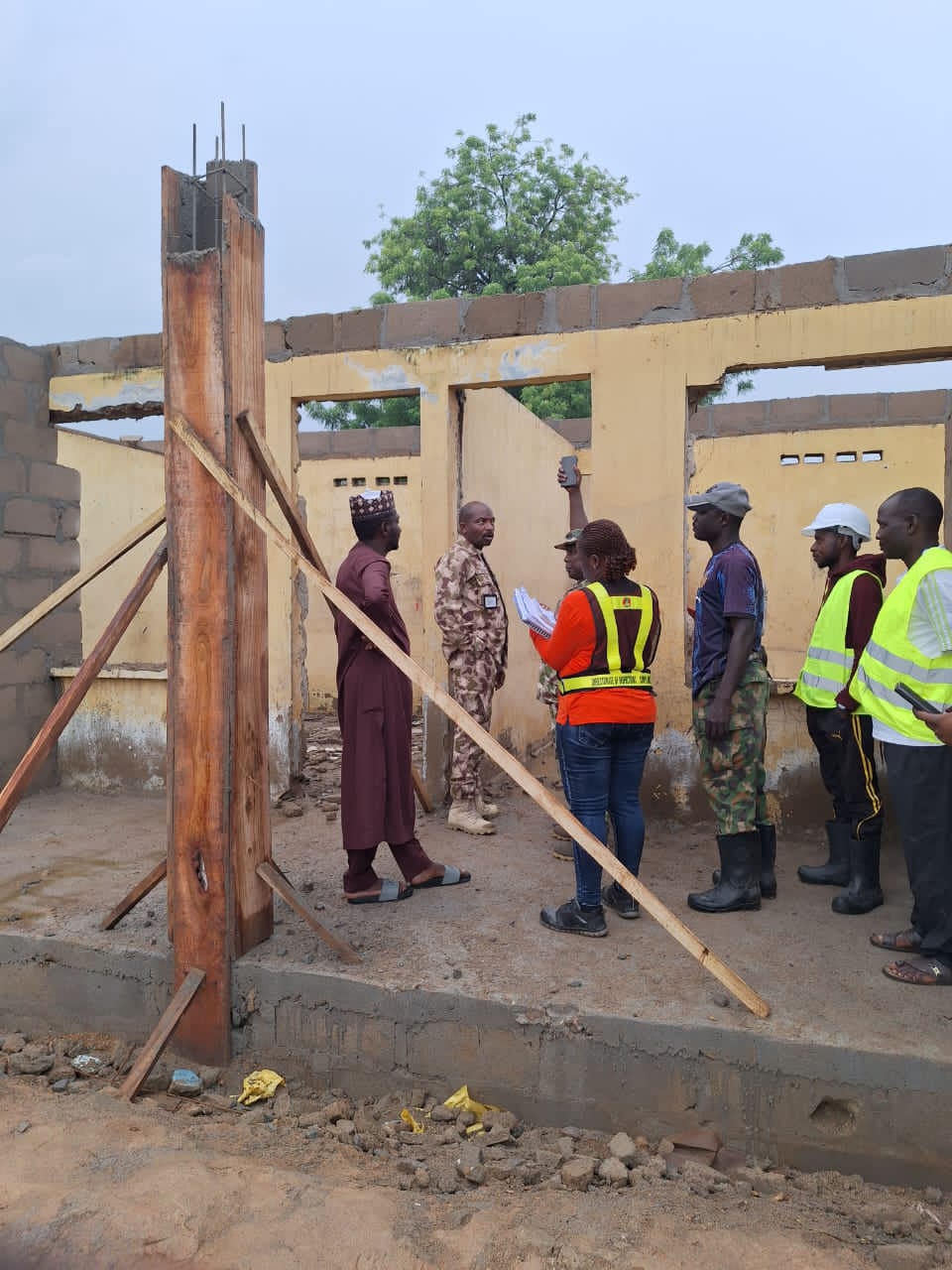
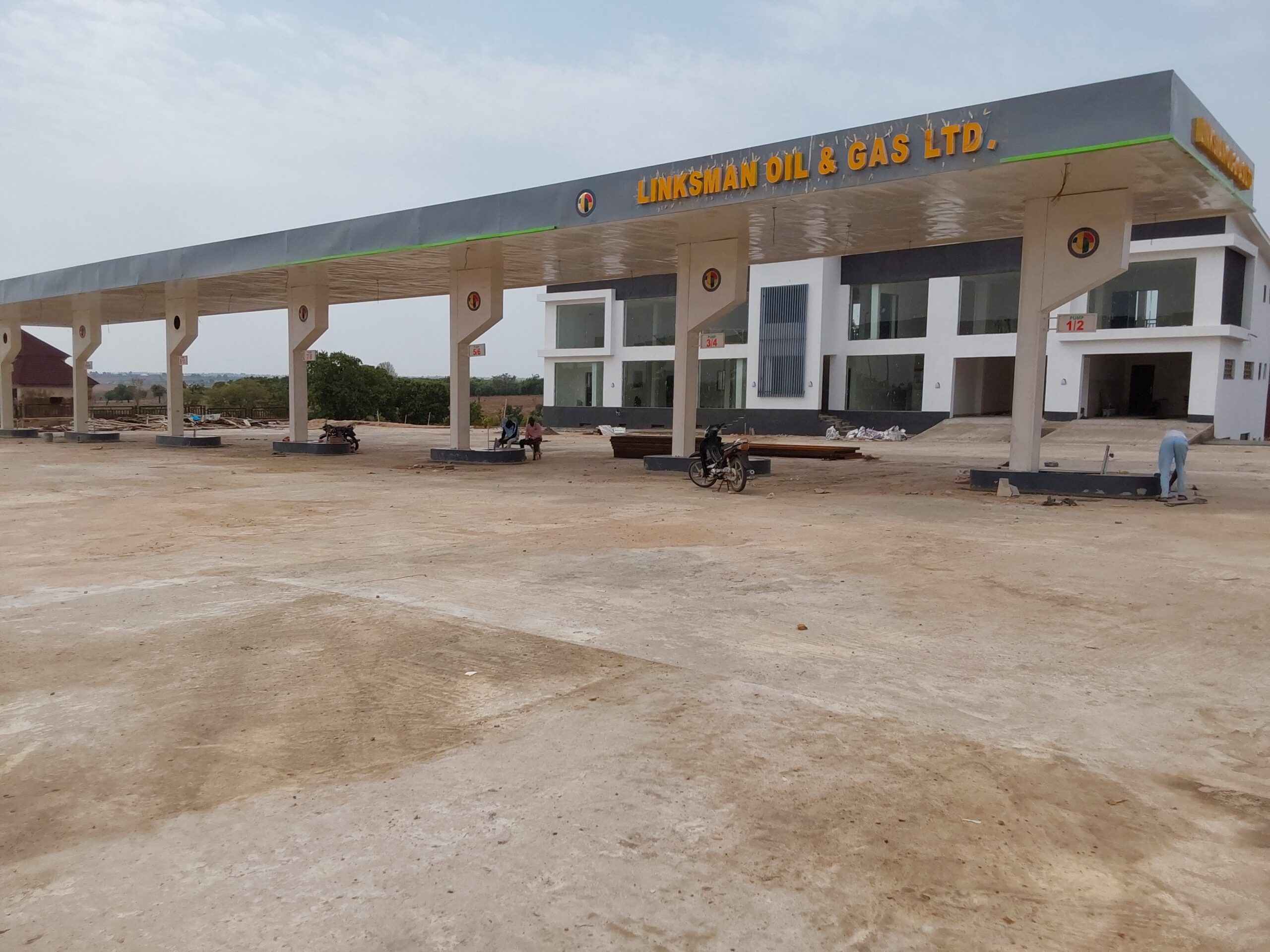
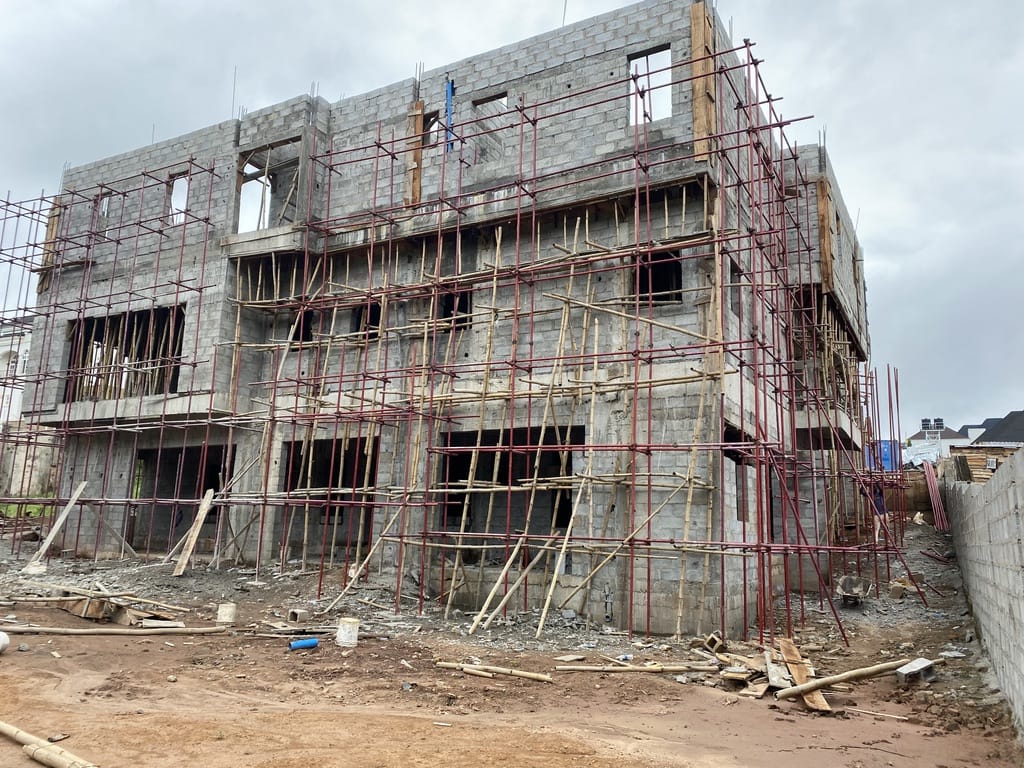
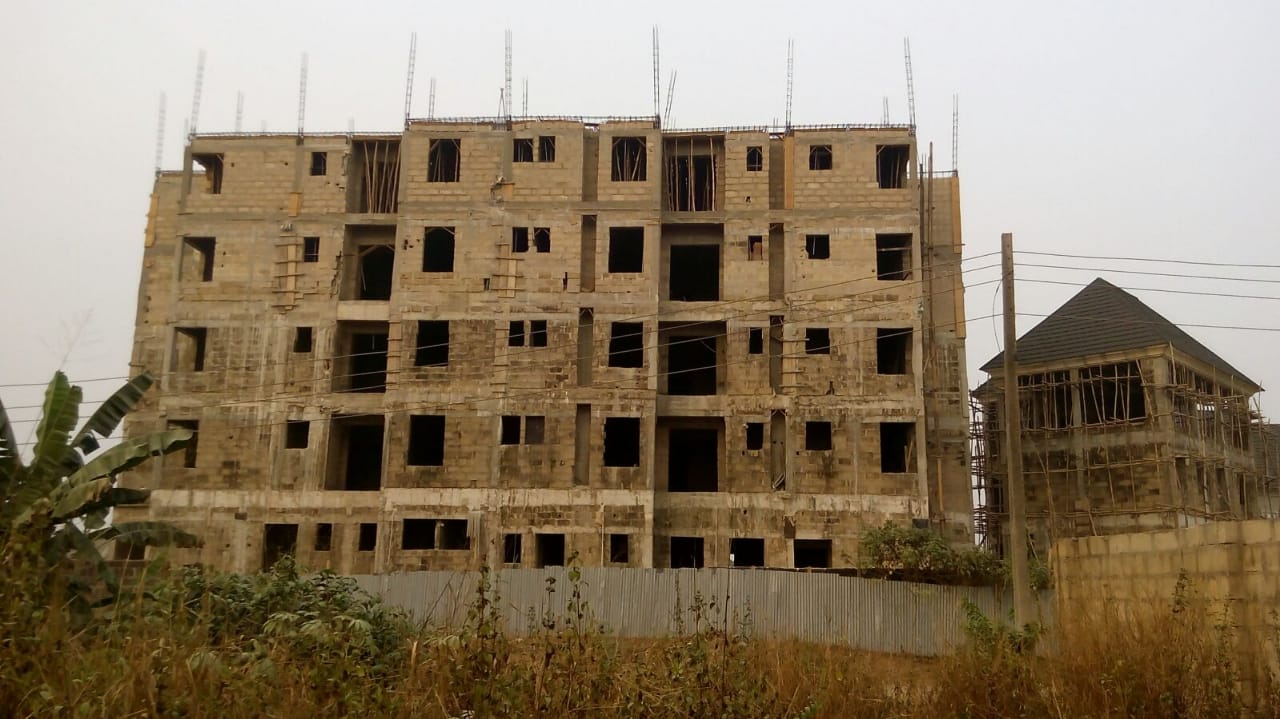
Once approved, the construction phase begins. This stage involves site clearing, foundation work, structural framing, roofing, finishing, and installation of electrical and plumbing systems. Each phase must be supervised by qualified professionals to maintain quality and safety.
2. The Key Professionals Involved
Successful construction in Nigeria depends on the collaboration of several professionals.
- Architects create the design and coordinate aesthetic and functional details.
- Civil and structural engineers ensure the building’s integrity and stability.
- Quantity surveyors manage costs and budgeting.
- Builders and contractors handle the actual site work and labor supervision.
- Town planners oversee land use and zoning compliance.
Hiring qualified professionals registered under bodies such as the Nigerian Institute of Architects (NIA) or the Council of Registered Builders of Nigeria (CORBON) is vital. Many building collapses in Nigeria are linked to the use of unqualified personnel or poor supervision, making professionalism a non-negotiable part of safe construction.
3. Common Building Materials and Techniques
Nigeria’s diverse geography influences the materials and techniques used in construction. Cement blocks, concrete, sand, steel reinforcement, and roofing sheets are the most common materials. In rural areas, traditional materials such as mud bricks, bamboo, and thatch are still used because they are affordable and environmentally friendly.
However, modern construction increasingly emphasizes quality assurance. Using substandard materials — especially cement, iron rods, or sand — can lead to structural failure. For this reason, builders are advised to source materials from trusted suppliers and conduct regular quality tests during construction.
4. Government Regulations and Building Codes
The Nigerian government regulates construction through building codes and urban planning laws to ensure safety and environmental sustainability. The National Building Code (NBC) outlines minimum standards for design, materials, fire safety, and construction practices.
Each state also has its own urban development authority, responsible for granting building approvals and monitoring compliance. For instance, the Lagos State Physical Planning Permit Authority (LASPPPA) and the Lagos State Building Control Agency (LASBCA) enforce strict guidelines to prevent illegal structures and unsafe buildings. Adhering to these regulations helps protect lives and investments.
5. Challenges in Building Construction
Despite its growth, the construction industry in Nigeria faces several challenges.
- High cost of materials: Prices of cement, steel, and finishing materials often fluctuate due to inflation and import dependency.
- Poor infrastructure: Limited access roads, water, and power supply increase construction costs.
- Corruption and bureaucracy: Lengthy approval processes and unofficial fees can delay projects.
- Building collapse: Often caused by poor workmanship, noncompliance with codes, or use of inferior materials.
- Skill shortages: There remains a gap between technical training and on-site practice for artisans and craftsmen.
These challenges highlight the need for government reform, better training, and stricter enforcement of building standards.
6. Modern Trends and Innovations
The Nigerian construction industry is gradually embracing modern technologies such as Building Information Modeling (BIM), prefabricated structures, and eco-friendly designs. Sustainable architecture — which uses solar panels, rainwater harvesting, and locally sourced materials — is becoming more popular due to rising energy costs and climate change concerns.
Additionally, real estate technology (“PropTech”) is improving how developers design, sell, and manage properties. Companies are using drones for site surveys, digital tools for project management, and 3D visualization for design presentations. These innovations are making construction more efficient and transparent.
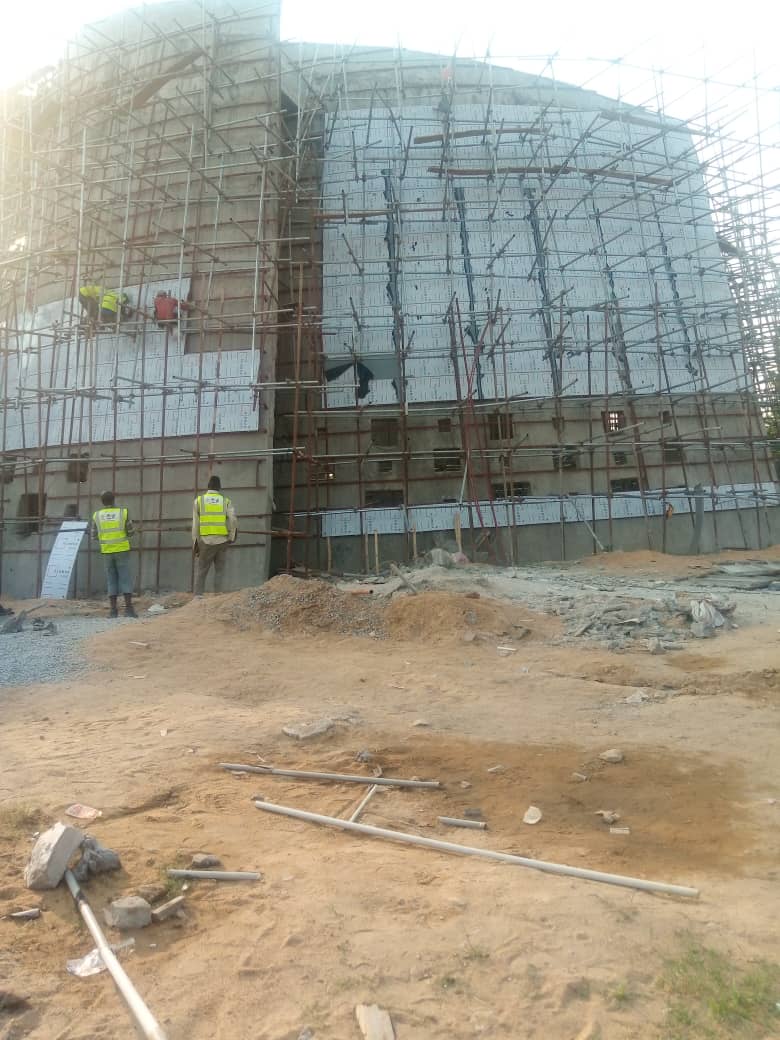
Building construction in Nigeria is both a promising and complex field. It demands careful planning, regulatory compliance, skilled professionals, and quality materials. While the industry faces persistent challenges — from rising costs to regulatory hurdles — its potential remains immense. With growing urbanization and a youthful population, Nigeria’s construction sector will continue to expand, offering opportunities for innovation and sustainable development.
Ultimately, anyone involved in building construction in Nigeria — whether a homeowner, investor, or professional — must understand that a successful project is built not just with concrete and steel, but with knowledge, compliance, and a commitment to quality


Wp-consik
April 25, 2024Cupcake ipsum dolor sit amet Dragée sweet roll tiramisu sweet Sesame asit amet Drag croissant lollipop candy.